Embracing the Art of Slow Living: Finding Peace in a Fast-Paced World
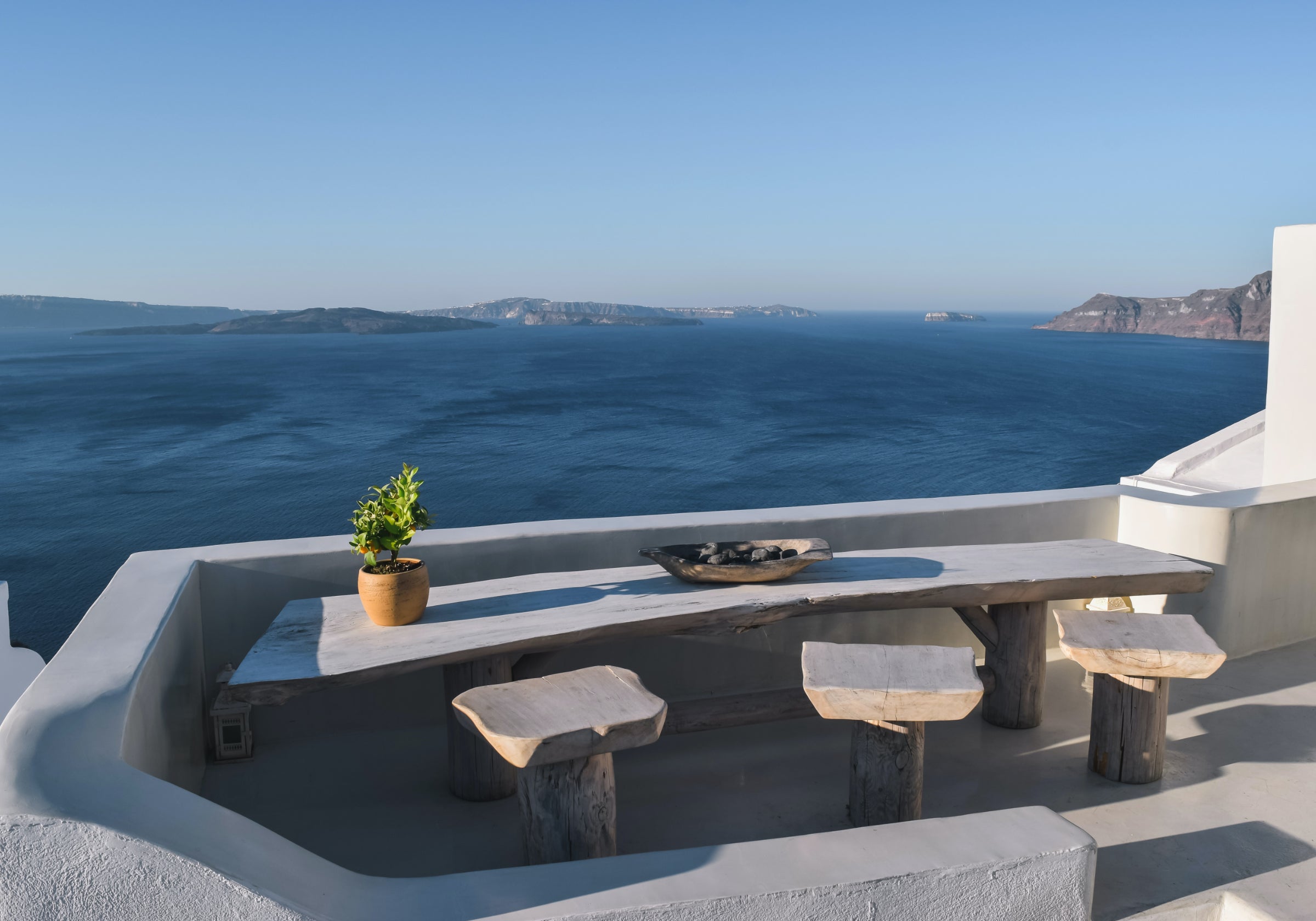
In today's modern society, where the rhythm of life often feels like a relentless sprint, the concept of embracing the art of slow living offers a much-needed respite—a gentle invitation to pause, reflect, and savor the beauty of each passing moment. In a world characterized by constant connectivity, incessant notifications, and the perpetual pursuit of productivity, the idea of slowing down may initially seem counterintuitive. However, beneath the surface of this frenetic pace lies a profound yearning for peace, fulfillment, and genuine connection—a yearning that can only be satisfied by embracing the art of slow living.
At its core, slow living is not merely about moving at a snail's pace or idly passing the hours—it is a deliberate and conscious choice to cultivate a deeper sense of presence, mindfulness, and intentionality in our lives. It is about reclaiming ownership of our time, prioritizing what truly matters, and nurturing a profound appreciation for the richness of the present moment. In essence, slow living is a radical departure from the culture of instant gratification and perpetual busyness—a quiet rebellion against the notion that our worth is contingent upon our productivity or the relentless pursuit of success.
In a world where multitasking is often celebrated as a virtue, the art of slow living invites us to challenge this narrative—to resist the urge to constantly rush from one task to the next, and instead, to embrace the beauty of doing one thing at a time with full presence and attention. It is a gentle reminder that true productivity is not measured by the number of tasks we check off our to-do list, but by the depth of our engagement and the quality of our presence in each moment.
Moreover, embracing slow living offers a profound antidote to the pervasive culture of stress and burnout that plagues so many of us in today's fast-paced world. By intentionally slowing down, we create space for rest, rejuvenation, and self-care—essential ingredients for maintaining balance and well-being in an increasingly chaotic world. Rather than viewing rest as a luxury or a sign of laziness, slow living encourages us to prioritize our physical, mental, and emotional health—to honor the natural rhythms of our bodies and minds, and to embrace moments of quietude and stillness as sacred opportunities for renewal.
In addition to fostering personal well-being, embracing slow living also has the power to transform our relationships and deepen our connections with others. In a world dominated by superficial interactions and fleeting connections, the art of slow living invites us to cultivate deeper, more meaningful relationships—to invest time and energy in nurturing genuine connections with friends, family, and loved ones. By slowing down and truly listening to one another, we create space for empathy, understanding, and authentic connection—qualities that are essential for building strong and resilient relationships in an increasingly disconnected world.
Of course, embracing the art of slow living is not without its challenges. In a society that often equates busyness with importance and productivity with worth, choosing to slow down can feel like swimming against the current. It requires courage, intentionality, and a willingness to challenge deeply ingrained cultural norms and expectations. Yet, the rewards of embracing slow living far outweigh the challenges—for in the quiet moments of stillness and reflection, we discover a profound sense of peace, fulfillment, and joy that cannot be found in the relentless pursuit of more.
In conclusion, the art of slow living offers a powerful antidote to the frenetic pace of modern life—a gentle reminder to pause, breathe, and savor the beauty of each passing moment. By embracing slowness, we reclaim ownership of our time, deepen our connections with others, and cultivate a profound sense of peace and fulfillment in an increasingly fast-paced world. So, let us embrace the art of slow living with open hearts and open minds—knowing that in doing so, we unlock the door to a life of greater presence, meaning, and joy.

Comments
Post a Comment